23-year old actress Barbara Hershey (T&A&B) & Uncredited Nude Extra in Boxcar Bertha (1972) [1]
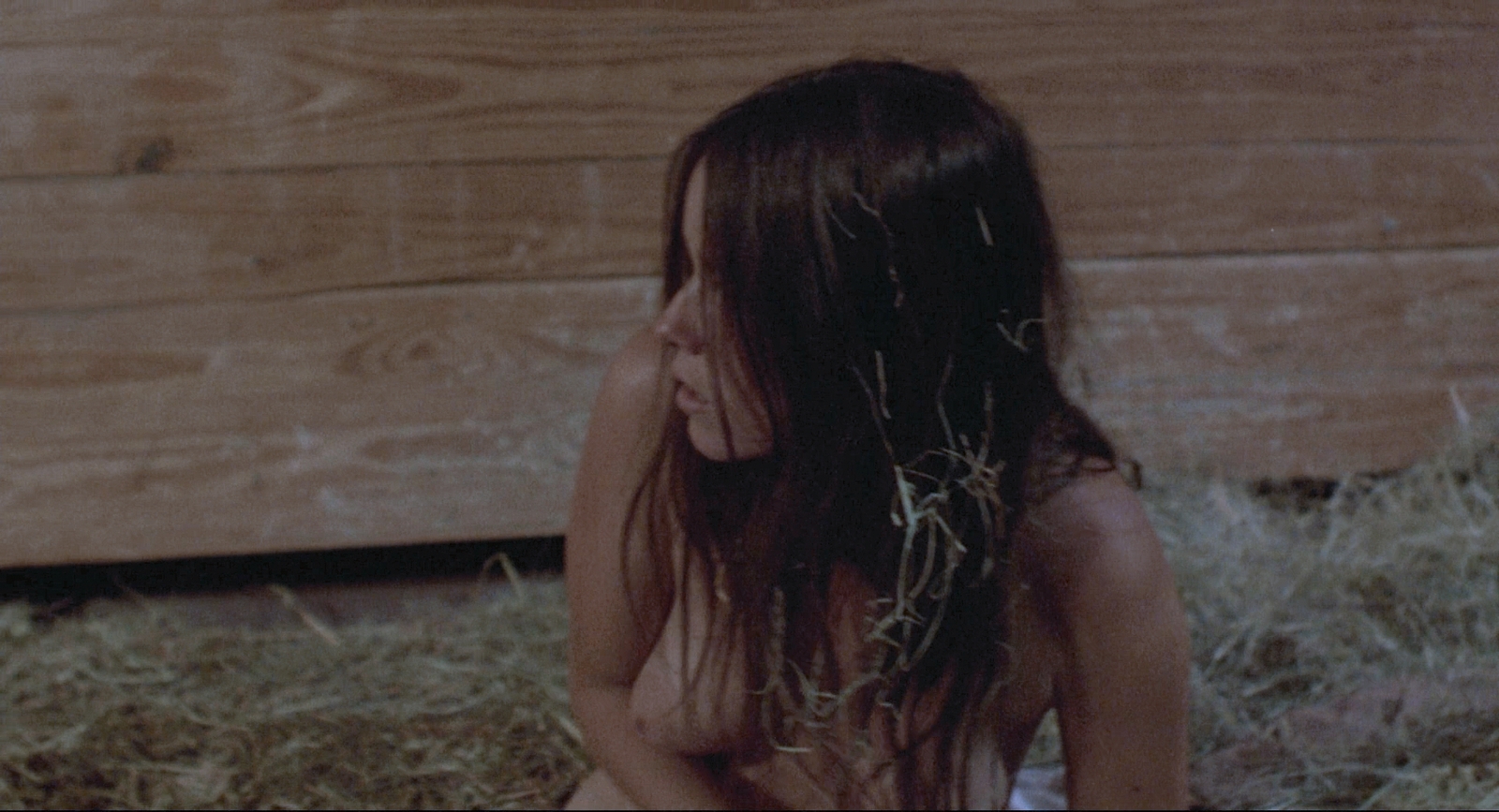
She met Carradine on the set of Heaven with a Gun, and by the time they co-starred in Boxcar Bertha, Hershey publicly announced that they filmed the movie’s sex scenes “without having to fake anything.” – https://people.com/archive/barbara-hershey-drops-her-hippie-past-and-a-name-seagull-and-her-career-finds-wings-vol-11-no-21/ (May 28, 1979)

Mega.Co.Nz


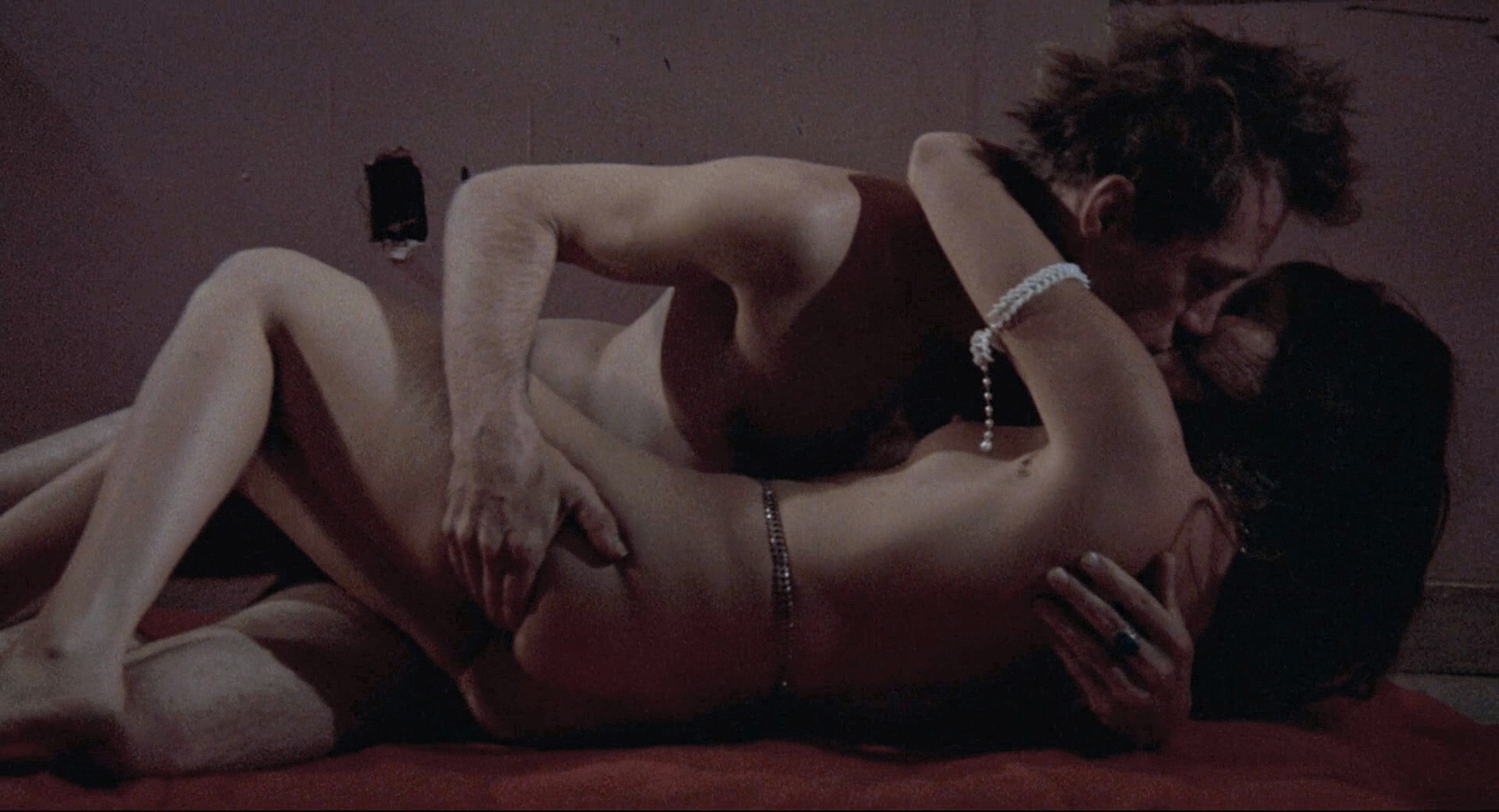


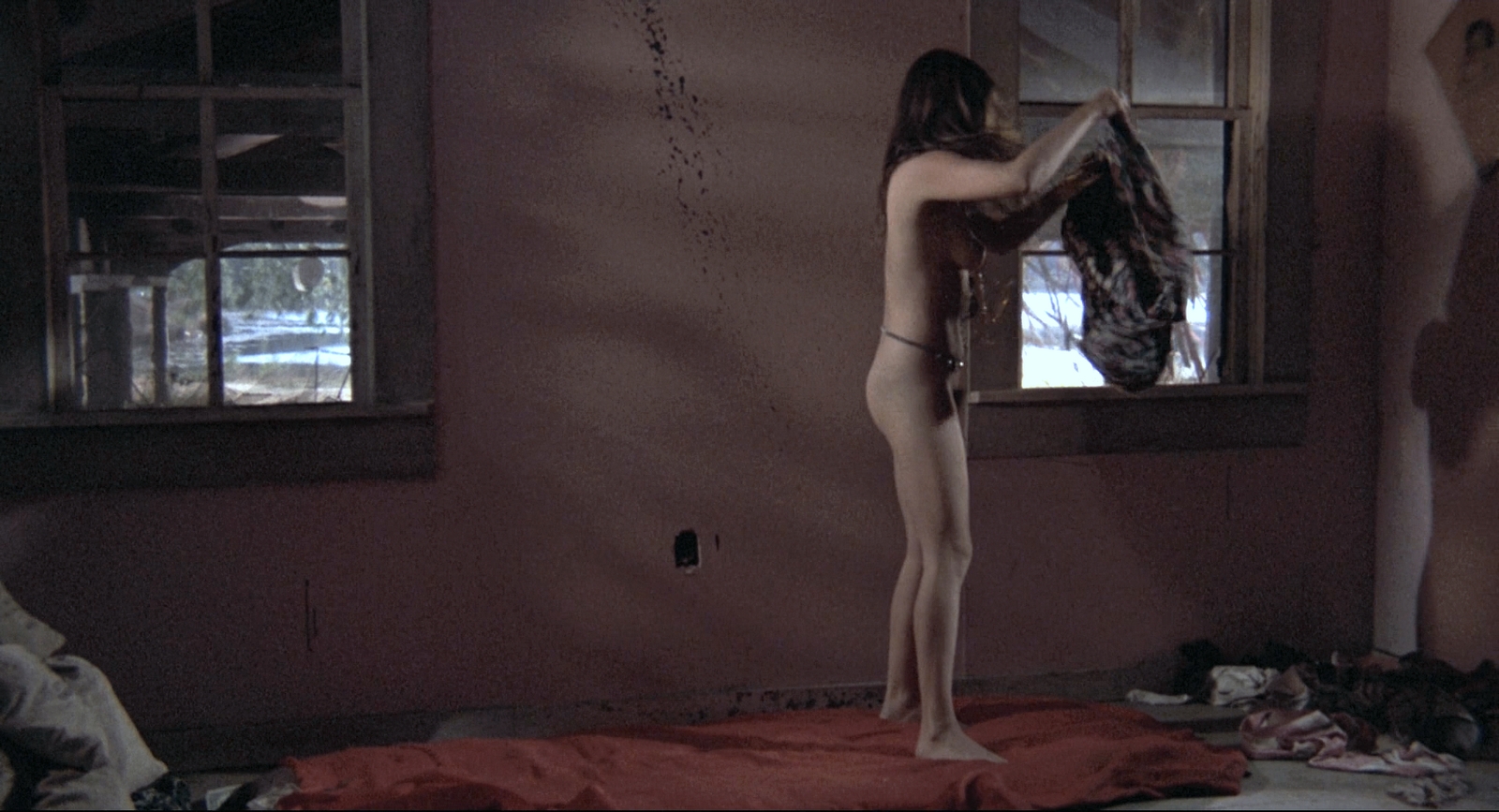




Barbara and David recreated their two sex scenes from “Boxcar Bertha” for the August, 1972 edition of ‘Playboy’ magazine in an attempt to drum up some publicity for the movie


Off the Rails

Although clearly a Roger Corman production—Bertha features the requisite action and nudity, which the exploitation master reportedly advised the young filmmaker to include every fifteen minutes or so—signs of Scorsese are everywhere. Shot in twenty-four days in Arkansas on a small budget, the movie feels as ramshackle as basic B fare, and lacks the restlessly roving camera that would come to define the director’s work. But there’s the Scorsese cameo, as a brothel client; an attentiveness to the propulsive properties of musical mappings over visuals (in this case he relies heavily on Delta blues); emanations of cinephilia (opening black-and-white iris shots introducing the players; Bertha making a Wizard of Oz reference to a john as she guides him into a bordello bedroom during a stint as a prostitute, “Oh, pay no attention to that man behind the curtain!”); and virtuosic violence in the last shootout scene, with its striking use of dolly shots and jump cuts.
And then there’s the crux of the story, which is Scorsese to its core in its refracted Catholic concerns. The film’s prioritization of Bill is clearer than ever come the finale as he’s graphically crucified to the side of a train by railroad agents. Written by Joyce H. and John William Corrington, the script was left in Scorsese’s hands by Corman to do with as he would—who trusted the director after seeing his extensive storyboards—and in simpatico convergence, the crucifixion denouement was present in the original screenplay. As Bertha runs after the departing train to which Bill’s body is nailed, the director has a perfect opportunity to utilize what would later become a signature shot: a God’s-eye view on the scene.
Given the oft-cited influence of the French New Wave on the filmmaker’s work, Eric Rohmer and his “Moral Tales” (the last of which, Love in the Afternoon, came out the same year as Bertha) might serve as a useful comparison. A Catholic like Scorsese, Rohmer in each of the cycle’s six films focuses on a man struggling with a personal philosophical code of conduct in relation to the opposite sex, using the situations as a way to illuminate his protagonists’ hesitancies, narcissisms, and self-delusions. More than just projections of the men in their orbit, though, the women are beguiling beneath their beautiful surfaces; as much as they mystify, they challenge in their complexities and contradictions, generally revealed by way of conversation in the director’s talk-heavy films. Although we’re not ed to align with them, Rohmer provides his female characters breathing room to become individuated humans—something Scorsese does not often do.
Such is the case with Bertha. Marginalized within her own story, she nevertheless takes up a large amount of screen time, but Scorsese seems at a loss as to what to do with her. And her blankness creates a hole in the film. In the book, she’s articulate and spirited, and has a sense of social justice; she proceeds proactively to feed her wanderlust, her sexual and intellectual appetites. The movie reduces her to a starry-eyed simpleton (“What are these Reds?” she asks at one point of a man’s offhand reference to union strikers), mooning after Bill and not interested in much else. Bill is portrayed as serious, and Bertha as slapstick silly. During a holdup, she takes pleasure in commanding the men at gunpoint to alternately “stand up” or “sit down,” until he chastises her. During another robbery, she can barely keep her dress on, her straps falling off of her shoulders as she takes jewels from a railroad tycoon’s party guests, bragging about the prettier tiara she has at home.
Famously dubbed “a piece of shit” by Scorsese mentor John Cassavetes at the time, Boxcar Bertha today seems to have value largely for the hunting ground it provides auteurists. But the flick would prove fruitful for Scorsese for other reasons; he embraced it as a learning experience and, inspired by Cassavetes’s tough-love pronouncement to focus on something personal, returned to a script he’d tucked away called Season of the Witch. When he’d rewritten it to become Mean Streets, he hired Corman’s Boxcar Bertha crew to shoot it, and thus made his mark in the New Hollywood.